

14:59 JST, June 2, 2026
The effort to return the pale pink wings of the Japanese crested ibis to Japan’s skies has entered a new phase. Hopefully, this will be an opportunity to reconsider how humans can coexist with wild animals.
Eight individuals of the species, which has been designated a special natural monument in Japan, were released in Hakui, Ishikawa Prefecture, on the Noto Peninsula in the first such release of the bird on Honshu, as part of efforts to reintroduce it into the wild. Future releases are planned in the neighboring town of Nakanoto in the prefecture as well as in Izumo, Shimane Prefecture, with the goal of achieving stable breeding in the wild.
The Japanese crested ibis was found throughout the country until the early Meiji era (1868-1912), but it gradually disappeared due to overhunting for its feathers and a decline in such food sources as loaches, caused by the use of pesticides.
In 2003, the last Japanese crested ibis born in Japan died, marking the extinction of the species in the country. It had been living in captivity for preservation on Sado Island in Niigata Prefecture.
In an effort to revive the species, the government sought to artificially breed the bird using a pair from China, and has repeatedly released birds on Sado Island. The population has now grown to the point where about 500 birds can be observed in the wild. It can be said that the first step in reintroducing them into the wild has been succeeded.
Noto was the last habitat for the Japanese crested ibis on Honshu. Following the earthquake and heavy rain disasters in 2024, there has been a strong desire on the peninsula to make the ibis a symbol of recovery.
Residents and others have been laying the groundwork for the bird’s return, such as by reducing pesticide use and creating areas in rice paddies where loaches gather.
The traditional rural landscape, called satoyama, paired with ibises soaring through the sky can be called a quintessential Japanese scene, one that has enriched people’s spirits since ancient times. It is hoped that the birds become a source of encouragement for the people of Noto, who have been left devastated by disasters.
Though the birds have been released on Honshu, the reality remains that the species is at high risk of extinction. Japanese crested ibises are easily alarmed; if people get closer to them, they become startled and are unable to feed. Especially during the breeding season, they need a quiet environment where people will not approach the nests.
However, some have expressed concern about reintroducing ibises into the wild. Niigata Prefecture and five municipalities across from Sado Island have withdrawn their applications to receive releases. As the prefecture is one of the nation’s leading rice-producing regions, there was reportedly concern that the birds would trample the rice plants.
In the past, the population of red-crowned cranes in Hokkaido plummeted. As a result of dedicated conservation efforts, the population recovered, but this has led damage to crops and other issues becoming apparent.
It is important for the government to fully explain the reasons for proceeding with the release of the Japanese crested ibis, as well as the significance of the project, to gain the understanding from the public.
The scientific name for the Japanese crested ibis is Nipponia nippon. It was once a symbol of Japan’s rich natural environment. Protecting the environments in which the ibis can thrive will also help to create communities where people can live with peace of mind.
(From The Yomiuri Shimbun, June 2, 2026)




Most Read
Most read in the last 24 hours
Most read in the last 7 days
Most read in the last 30 days
-

Mazda Launches Fully Redesigned CX-5 SUV in Japan; First Time in ...
-

Japanese Language Schools: Improving Education for Foreigners Is ...
-

Japan Prime Minister Sanae Takaichi, S. Korea President Lee Jae M...
-

Typhoon Jangmi Approaching Okinawa Prefecture, Amami Islands; Sev...
-

Listed Companies’ Financial Results: Enhance Crisis Management Sk...
-

Japan to Begin World's First Trial Sales of Artificially Hatched ...
-
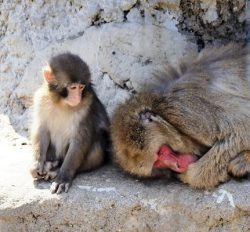
Punch and Other Monkeys to Get AC, Bigger Yard at Japanese Zoo
-

Typhoon Jangmi Expected to Develop into Large, Powerful Storm, Re...
Top Articles in Editorial & Columns
-
Japanese Language Schools: Improving Education for Foreigners Is an Urgent Task
-
GDP Growth: Measures Must be Devised to Prevent Economic Downturn
-
Naphtha Supply Issue: Govt Must Face Concerns of Businesses, Households Head-on
-
Fed Chair’s Swearing-in: Uphold Independence to Ensure Price Stability
-
Government and Generative AI: Do Cabinet Members Understand Gravity of Responses to Diet Questions?
JN ACCESS RANKING
-
Mazda Launches Fully Redesigned CX-5 SUV in Japan; First Time in 9 Years
-
Japanese Language Schools: Improving Education for Foreigners Is an Urgent Task
-
Typhoon Jangmi Approaching Okinawa Prefecture, Amami Islands; Severe Winds, Warning-Level Heavy Rain Expected ( UPDATE1 )
-
Japan to Begin World’s First Trial Sales of Artificially Hatched Eels To Assess Consumer Demand
-
Punch and Other Monkeys to Get AC, Bigger Yard at Japanese Zoo
Most read in the last 24 hours
Most read in the last 7 days
Most read in the last 30 days
-
Mazda Launches Fully Redesigned CX-5 SUV in Japan; First Time in ...
-
Japanese Language Schools: Improving Education for Foreigners Is ...
-
Japan Prime Minister Sanae Takaichi, S. Korea President Lee Jae M...
-
Typhoon Jangmi Approaching Okinawa Prefecture, Amami Islands; Sev...
-
Listed Companies’ Financial Results: Enhance Crisis Management Sk...